
Sweat, Laugh, Learn: Aerobic Steps Meet Digital Chalkboard
-
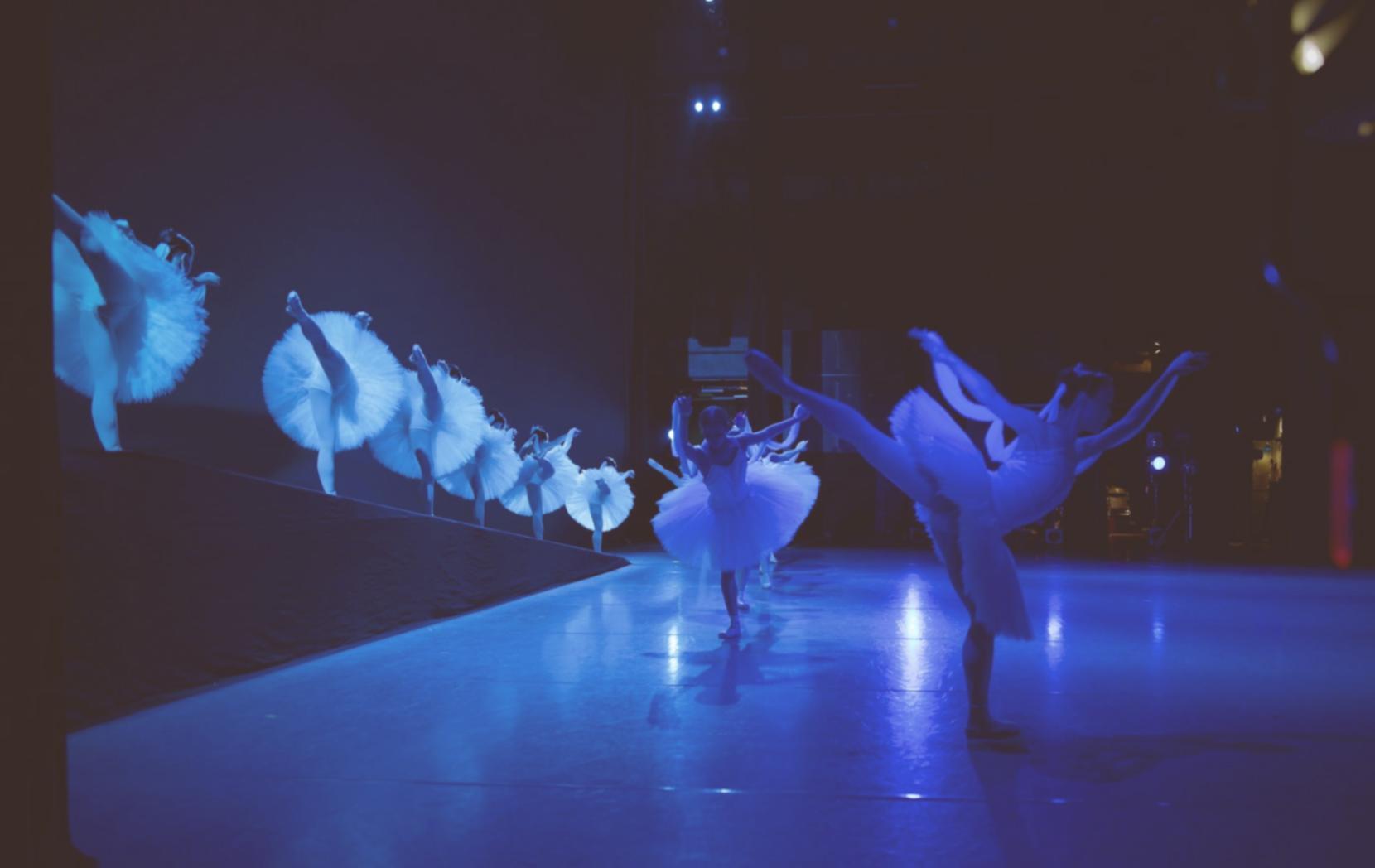
Welcome—glad you’re here. Ever tried aerobic dance and wondered, “Am I actually getting better?” We get it. Our dance lessons don’t just get your feet moving—they actually show you progress, step by step. You’ll see your rhythm, stamina, and confidence grow at our Bathurst dance studio, not just feel it. I’ve watched total beginners light up when they finally nail a routine—maybe that’ll be you. Ready to see what you can do? Let’s get moving and track every win along the way.
- Learn more
Navigating the Ideal Audience for Our Course
- Increased ability to navigate uncertainty
- Improved understanding of the principles of organizational psychology.
- Strengthened ability to advocate for oneself and others.
- Improved ability to think strategically
- Enhanced presentation skills.
4.9/5
Student satisfaction98%
Tech-enabled methods3x
Delivery formats7+
Content improvementsTrust in Our Results
You know, numbers don’t lie—especially when it comes to progress in aerobic dance. Gedanu’s performance data gives a clear window into student growth, skill mastery, and where extra support pays off. By breaking down these stats, we’re not just tracking results; we’re showing you exactly how a data-driven approach makes learning more personal and effective. Plus, sharing these numbers is our way of saying: we’re accountable, and we care about quality as much as you do.
Step Into Joy: Your Aerobic Dance Adventure Awaits
Picture a physical therapist working with a client who’s never danced, never even felt at ease moving to music. Yet, when that therapist can draw on the real skillset developed through deep aerobic dance experience—not just knowing the steps, but understanding the architecture of movement, the nuances of momentum, risk, group energy—something different happens. The session becomes less about rote movement and more about unlocking confidence, reading subtle cues, and adapting on the fly. The therapist is no longer just guiding through the motions; they’re translating rhythm and coordination into empowerment. This kind of agility doesn’t come from surface knowledge. It requires a lived-in sense of how bodies respond, how fatigue shows itself, how one person’s hesitance can ripple through a group, and—sometimes—how a single moment of shared laughter can re-energize a whole room. I remember one late afternoon, teaching a class where everything seemed off—music skipping, participants distracted—until I threw out the plan and just mirrored their mood, shifting the energy entirely. That’s not something you can fake or memorize. It’s something you grow into. And it’s not just about dancing better or knowing a few more routines. The difference is like the gap between reading a recipe and cooking for a crowd that’s allergic to half the ingredients—you learn to improvise, notice what matters, trust intuition sharpened by repetition and reflection. Industry wants more than just instructors who know the names of moves; it wants people who can lead, adapt, even inspire, because they’ve internalized the core of what aerobic dance really is. Sometimes, I wonder if the industry at large undervalues the quiet confidence that comes from this kind of deep immersion—the ability to stand in front of a skeptical group and, without saying a word, show them that movement is for them, too. There’s a subtlety here: real competency isn’t loud, but it’s unmistakable. If you ever see someone handle a class meltdown with a calm nod and a seamless redirection, you’ll know what I mean. Not everyone gets there, and honestly, not everyone even sees that this is what’s needed. But in practice, it’s the difference between just passing through and actually making an impact.
You start out with the most basic steps—think grapevines, step-touches, maybe a bit of mambo if the instructor’s feeling bold. The music is upbeat but not frantic, and people are still figuring out their left from their right, so there’s a lot of laughter and the occasional apology when someone bumps an elbow. By week three, there’s this shift; suddenly, people are actually moving in sync, a little sweatier, a little less self-conscious. That’s when the routines start to layer—arm patterns over footwork, little hops, a turn thrown in that might leave half the group facing the wrong direction. (I once saw someone improvise an entire solo sequence, completely unbothered by the choreography.) There’s a rhythm to the learning that doesn’t always follow a straight line—some weeks, you’re nailing the new combos, other days it feels like the music is one beat too fast and you’re chasing it down the hall. But that’s sort of the point, isn’t it? The class will sometimes pause to talk about how a samba rhythm feels different in your feet than a cha-cha, and for a few minutes, it’s less about exercise and more about listening—to the music, to your own heartbeat. One Tuesday, the instructor brought in scarves. No one knew quite what to do with them at first, but by the end, the entire room was swirling with color, laughter echoing louder than the bass.
Bronze
360 $The Bronze option’s really about getting your foot in the door without feeling like you’re overcommitting—honestly, I’ve seen a lot of folks who just want steady structure and a reliable place to practice, not a big splashy package. You pay a modest monthly fee and in exchange you get access to all the basic group classes—nothing fancy, but the schedule’s flexible enough to fit around work or school. I think the real appeal here, though, is the way it lets you build confidence alongside others who are mostly at your level; you don’t feel out of place, and that matters more than people realize. There’s also something reassuring about always having the same instructor for these sessions, at least for a stretch—people mention that a lot, actually. You’re trading a little bit of money and your time for a sense of rhythm and progress, and for some, that’s the perfect pace.
Silver
450 $What sets the Silver pathway apart is the way it quietly fits those who want something more structured than casual drop-in classes, but don’t quite crave the pressure or visibility of the Gold track—think of the learners who like having a clear plan yet prefer practicing in smaller groups and not always being center stage. The detailed session feedback, sometimes handwritten by instructors who remember your quirks, tends to matter more to this crowd than public recognition or badges; they care less about collecting milestones and more about slowly ironing out their technique. And yes, the monthly skill clinics—while not as flashy as showcases—offer a space where you can mess up without feeling self-conscious, which, frankly, is a bigger deal for some than any certificate could be.
Education and Training Fees
Gedanu organizes learning paths with the idea that education should last—like a well-made coat, or a habit you’re glad you picked up. I’ve always believed that what you invest in knowledge, you carry with you far beyond the classroom. Of course, not everyone has the same needs or timeline, so there’s some flexibility built in—kind of like when you’re choosing a route on a road trip. Each option is designed to let you pace yourself, or dig deeper if that’s your thing. Think about what you want from your learning journey, and what feels right for you. Select the learning experience that aligns with your aspirations:
Elevate Your Knowledge: Expand Your Mindset
-
Refined strategies for promoting online financial literacy education
-
Enhanced neuroeducation principles
-
Improved relevant information filtering
-
Increased proficiency in online discussions
-
Enhanced understanding of online professional ethics
-
Improved understanding of digital citizenship
-
Refined proficiency in online group dynamics
-
Better understanding of online networking strategies
Learn whenever and wherever with online education.
Our Achievements
-
Helping You Learn, Grow, Succeed
Learning something new, especially when it involves moving your body, can feel a bit like stepping onto an unfamiliar dance floor—exciting, a little nerve-wracking, but full of possibility. I remember my own first group class, trying to keep up while secretly hoping I wouldn't trip over my own feet. That's why I appreciate places that make you feel instantly welcome, no matter your experience level or how coordinated you think you are. At Gedanu, they've built their reputation on more than just energetic playlists and flashy routines. The instructors actually notice when you're struggling—or when you're ready for a little extra challenge. Their classes of dance are set up so that everyone, from total beginners to folks who've been dancing for years, can find their groove—including a welcoming class for dance newcomers who want extra guidance. One thing that really stands out is their recent achievement: their youth program took home a regional award for "Most Positive Learning Environment." And honestly, that doesn't surprise me. Every time I visit, I see people laughing, cheering each other on, and walking out a bit taller (and sweatier) than when they arrived. It's the kind of place where mistakes are just another step in the dance. -
Virtual Education Dynamics
For Elisabetta, the company’s approach takes her unique learning style into account—she’s not just staring at screens, she’s moving, responding, and feeling the rhythm. The digital content isn’t just a series of videos, but an interactive journey that responds to her pace. If she misses a step, there’s a built-in rewind feature, letting her revisit tricky moves without feeling rushed. That kind of flexibility really matters when you’re learning something as kinetic as aerobic dance. I’ve seen firsthand how self-consciousness can creep in, especially when you’re alone with a screen and nobody’s there to offer instant feedback. The company’s content softens that edge by breaking sequences into bite-sized, repeatable chunks. You can almost hear the encouragement in the voiceover—it’s like having a patient coach, not just a faceless instructor. But what really stands out is how they check the quality of each module before it ever reaches learners like Elisabetta. There’s a test group of actual users—people at different skill levels—who go through every new class and give honest, sometimes brutally honest, feedback. If someone stumbles over a confusing cue or the timing of a transition feels off, the team tweaks it. Nothing gets published until it’s been danced through, critiqued, and refined. I think that’s what keeps the content feeling alive and approachable. It’s not just about being technically correct; it’s about making sure that someone like Elisabetta finishes a session feeling energized, not frustrated. That’s rare, and it shows they care about the learner’s experience in a way that isn’t just talk.
When Lydia leads an aerobic dance class at Gedanu, she rarely follows a script. If you walk in expecting a routine with every beat mapped out, you might be surprised. She’s more likely to pause mid-song, crack a joke about her own two left feet, and then break down a tricky step with the group watching her figure it out, live—mistakes and all. Adult learners especially seem to appreciate this—it’s as if her openness gives them permission to stumble, too, without shame or apology. There’s this one time she spent ten minutes troubleshooting a footwork pattern, inviting suggestions from the room. That kind of vulnerability, she says, is part of the process; you don’t just learn moves, you learn how to adapt when things unravel. Lydia didn’t always teach this way. Years of bouncing between studios and community centers (and a short stint in a city where no one actually danced on the beat—she still laughs about that) taught her to spot the places students might trip up. Her classroom is a sort of moving organism: mirrors scuffed and worn, playlists that jump from disco to K-pop without warning, and a whiteboard littered with doodles and half-erased notes about “core engagement.” Former students recall moments when Lydia refused easy answers, insisting they try another approach rather than just copying her. She stays plugged in, too, keeping a close circle of dance friends who text her about new trends—sometimes at midnight, sometimes mid-class. If you ask her about the latest in cardio dance, she’ll probably shrug and hand you a half-folded flyer someone slipped under the studio door last week.
Submit Your Request
Contact Us
-
104 Bentinck St, Bathurst NSW 2795, Australia
+61265838558